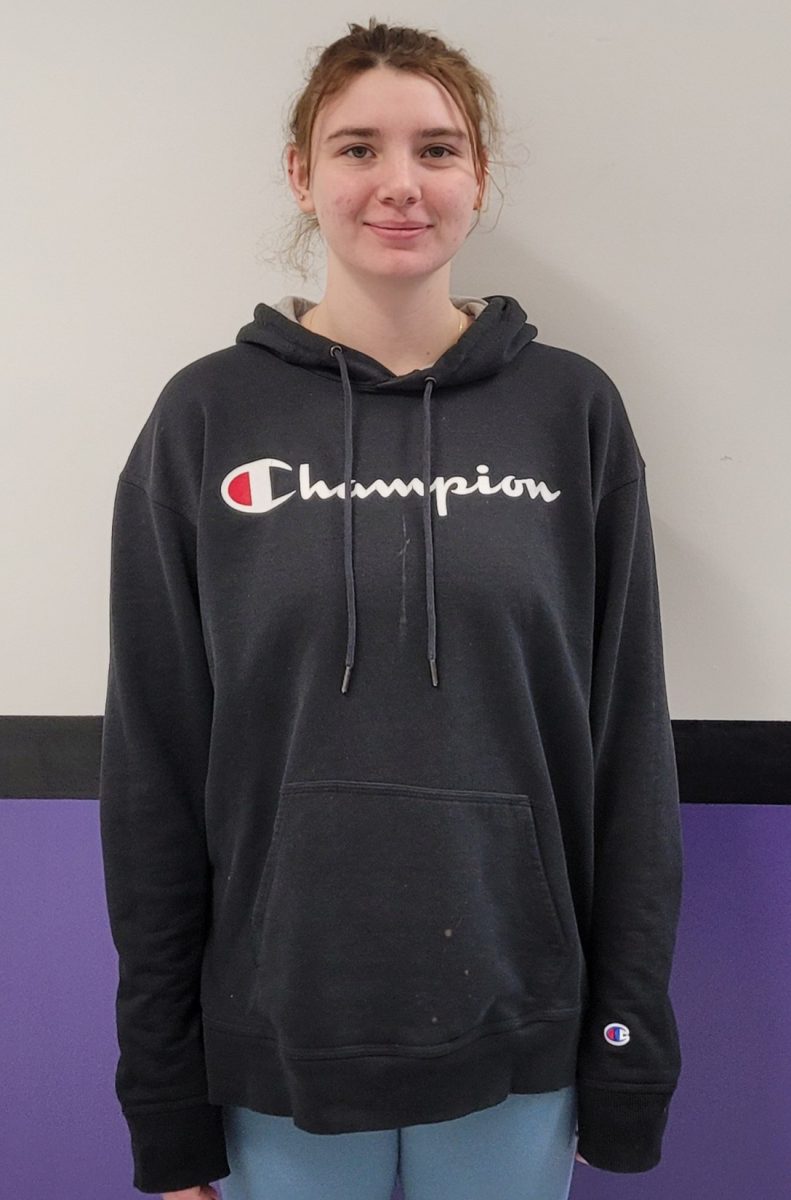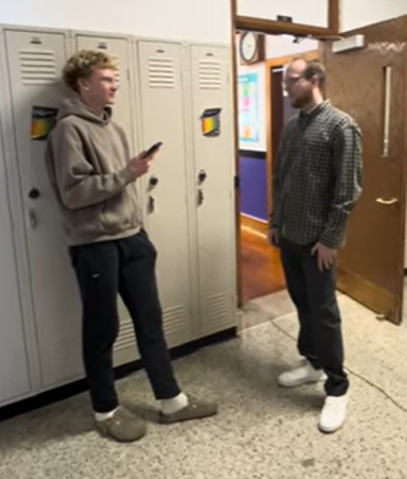



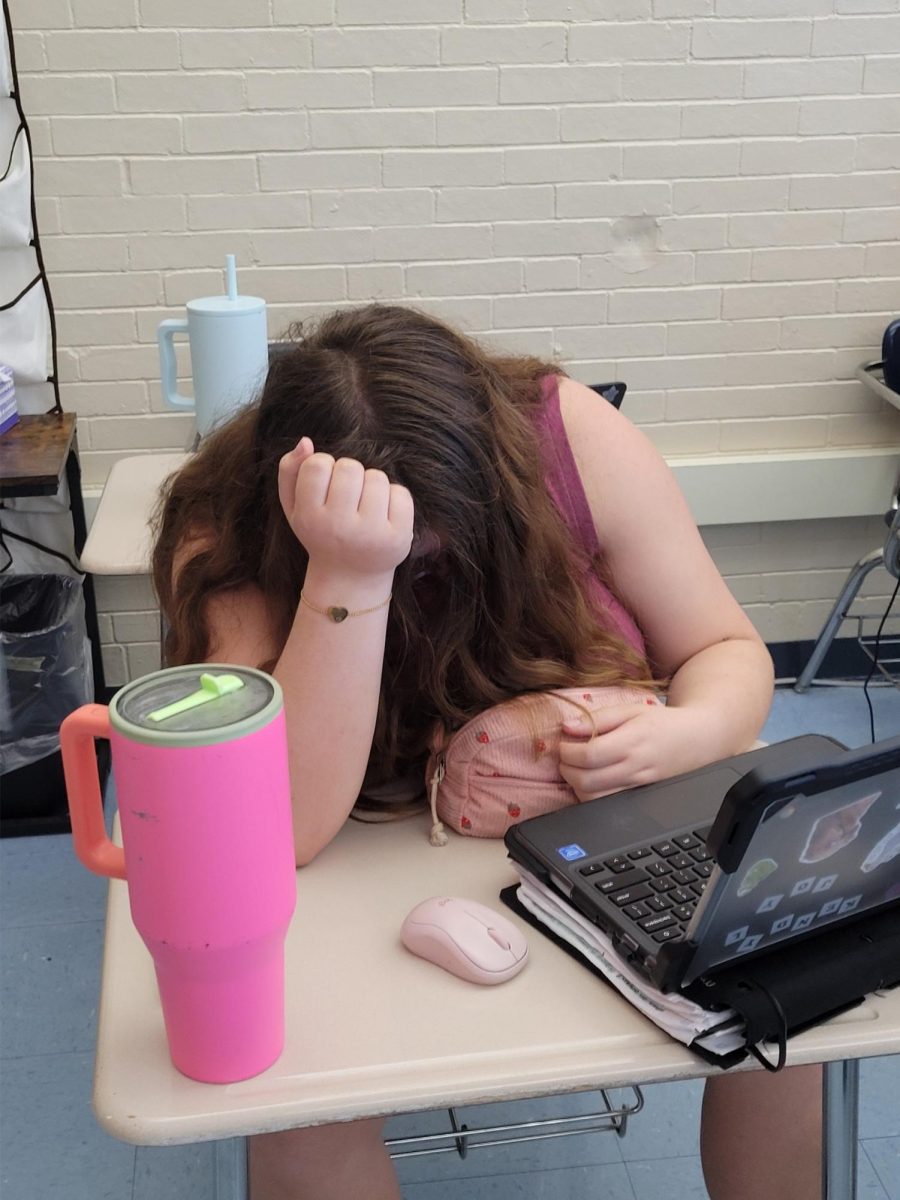
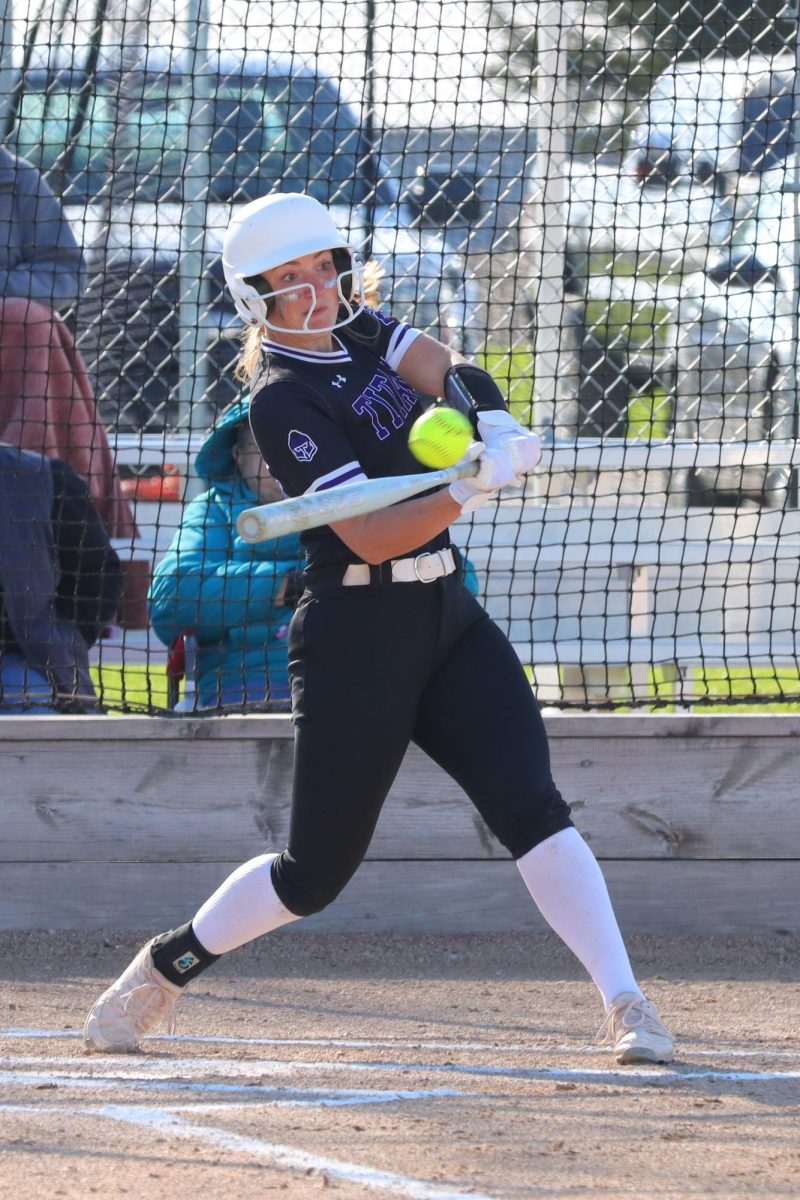
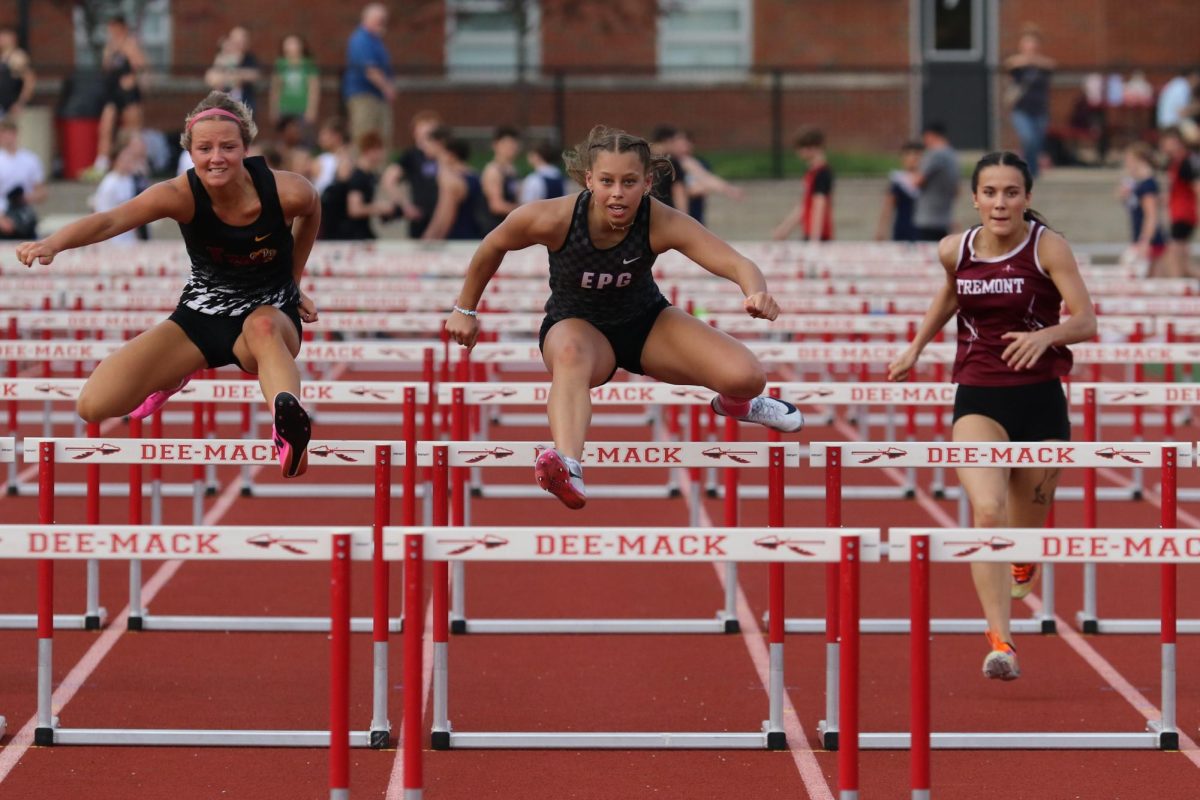





Every year, you or your parents might order a big, fancy book that contains your picture day photo–the same photo you either love or cringe at. It holds pictures of all the faces you encounter every day and the important events from that year. It’s not just a yearbook, it’s history–the same book you’ll look through years from now and become filled with nostalgia.
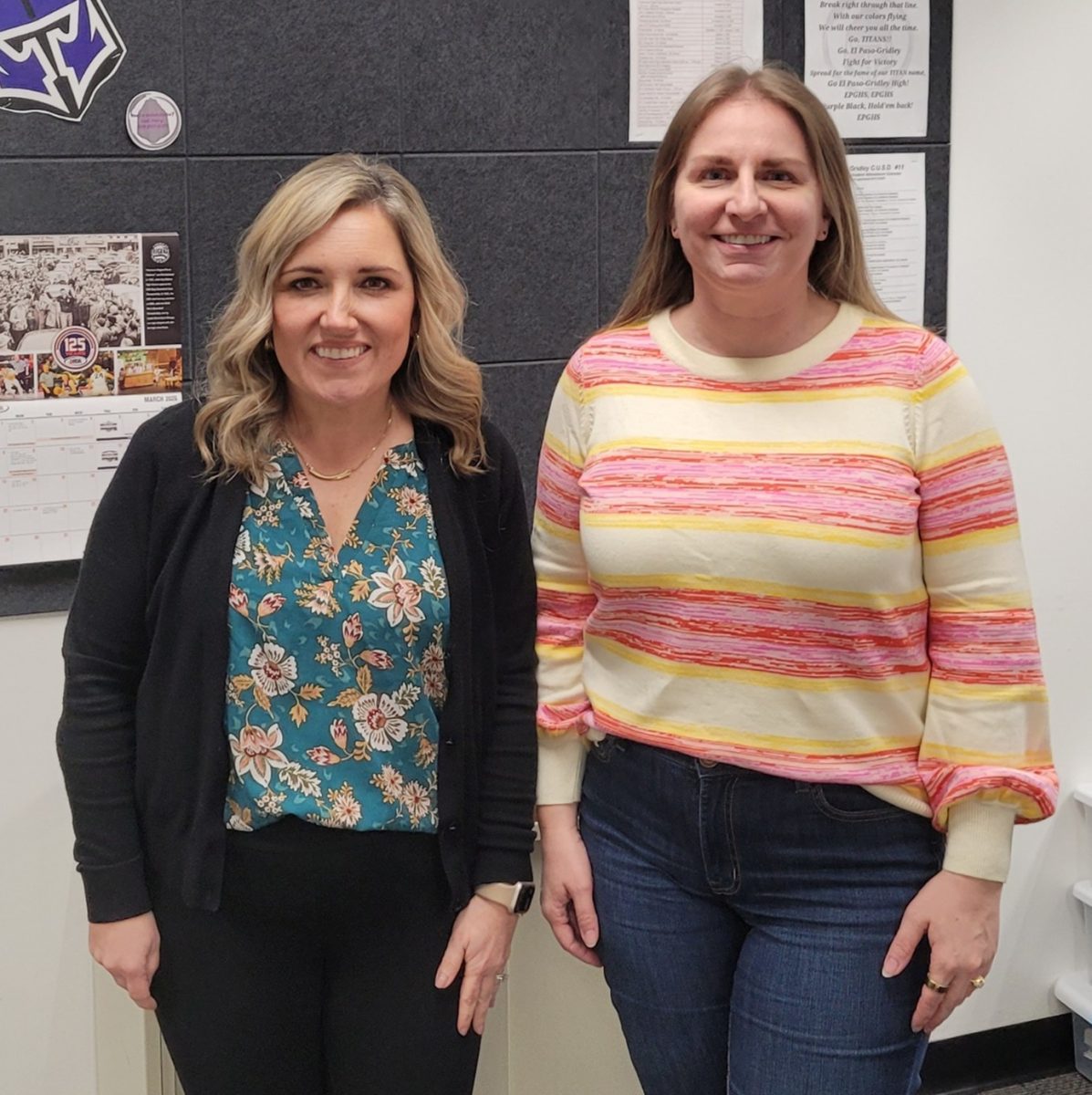
Your yearbook doesn’t appear from thin air; there’s a club that spends time and dedication on it, perfecting it every year. Mrs. Cordell has been in charge of the yearbook club since 2014, the year before Doug Wuethrich (previous yearbook club sponsor) retired. Wuethrich was a former business teacher at EPG and the current CEO program teacher.
The yearbook club holds meetings during study hall in Cordell’s classroom. These meetings consist of brainstorming different ideas and working as a whole. The process behind the book may seem simple, but it’s much more than just photos and write-ups of the year. Cordell explained, “We get last year’s yearbooks distributed at the beginning of the year, which takes a while to organize and get everybody’s. I advertise the book, so people can start ordering them. You want to make sure you don’t have any overlap because that can get confusing. As a club, we start by looking at old yearbooks to throw out ideas for a theme. The main question we start with is, what cover do we want? The process for that can be googling ideas. We keep in mind we don’t want to repeat a previous year’s theme close enough, so that no one would have a repeated yearbook in their house.”
Cordell and the club dedicate time to finding a theme, and after gathering a couple of ideas, they get student input on the themes. Cordell stated, “I think whenever the students pick what design they want to do, then to have the original idea, and to see what it looks like at the end, is really cool. How it might’ve evolved or stayed the same, seeing that idea come to life.” While the process does include designing, there’s something for everyone. You could write or create an article if that’s more your style, or take pictures if you’re into photography. Cordell remarks, “There are a lot of different aspects to it that people don’t realize. They could do other things [like photography & writing] instead, and it’s still helping create the end product.”
The one thing Cordell emphasized was that the yearbook is a piece of history. Cordell expressed, “Sometimes kids think right now it’s [the yearbook] not important, but later you’ll realize that it’s actually kind of cool and it is important. It’s really interesting to go back and look at the old ones. I think students really enjoy that.” The public library keeps copies of yearbooks, even as old as a yearbook from 1920, which is the first year the building existed. Cordell commented, “Someone donated the yearbook from 1920 to the library. It’s kind of scary to touch it because it’s a piece of history, and I didn’t want to ruin it or lose it, or anything like that.”
As the year continues, don’t forget to snap a picture occasionally to send to Mrs. Cordell for the yearbook. After all, we’re documenting history that we’ll be able to look back on in the future. Even the smallest moments now could be bigger than we thought they were.